



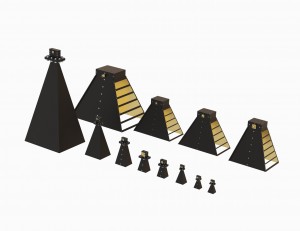
Understand the functions and usage scenarios of waveguide probes
History
The broadband horn antenna is an antenna used for electromagnetic wave transmission, and its history can be traced back to the 1930s. The broadband horn antenna was first invented by American astronomer Karl Guthe Jansky in 1932. He used a specially designed "horn" antenna to receive and measure radio waves in the universe. The design of the broadband horn antenna is inspired by the sound horn and is shaped like a trumpet to enhance the signal received by the antenna. Over the next few decades, broadband horn antennas were continuously improved and developed, becoming an important wireless communication and astronomical observation device. Today, broadband horn antennas are widely used in wireless communications, radar systems, radio interference measurements, microwave ovens and other fields, and their design and performance have been continuously improved and improved. The history of broadband horn antennas can be said to be an important part of the development history of wireless communications and astronomical observations.
Structure and Principle:
The main feature of the broadband horn antenna is its horn-shaped structure. It usually consists of a guide structure in the shape of a gradually enlarging horn, in which the caliber of the horn gradually increases. The length and shape of the guide structure depends on the desired frequency band and performance requirements.
The operating principle of the broadband horn antenna is based on the gradually enlarging horn shape in the guide structure. As the signal passes through the horn antenna, the guide structure gradually expands the signal from smaller apertures to larger apertures. This expansion enables the horn antenna to efficiently radiate and receive signals over a wide frequency band because signals of different frequencies can be radiated and received in different horn segments.
Features and Applications:
1. Broadband characteristics: The design of the broadband horn antenna enables it to work within a wide frequency band. It can cover multiple frequency bands, ranging from hundreds of megahertz to several gigahertz or even higher. This makes wideband horn antennas ideal for applications that require processing of wide-band signals, such as communications, radar and RF measurements.
2. Straight radiation characteristics: Broadband horn antenna has flat radiation characteristics, that is, it has a uniform radiation pattern within a wide angle range. This means it can radiate and receive signals efficiently over a wide range of directions without significant directional distortion.
3. Low side-lobe radiation: Broadband horn antennas usually have low side-lobe radiation, that is, there is no obvious additional radiation except the main lobe. This makes it useful in applications where interfering signals need to be reduced or eliminated.
4. High power tolerance: Broadband horn antennas usually have high power tolerance. Their ability to handle higher power signals makes them suitable for high-power applications such as radar and communications systems.
5. Simple and reliable: The structure of the broadband horn antenna is relatively simple and easy to manufacture and install. They are usually made of metallic materials, such as aluminum or copper, for durability and reliability.
Summarize:
A broadband horn antenna is an antenna that can operate within a wide frequency band. It has wide-band characteristics, flat radiation characteristics, low side-lobe radiation, high power handling capability, and is simple and reliable. Broadband horn antennas are widely used in communications, radar, radio frequency measurement and scientific research and other fields to radiate and receive broadband signals.
Related Products
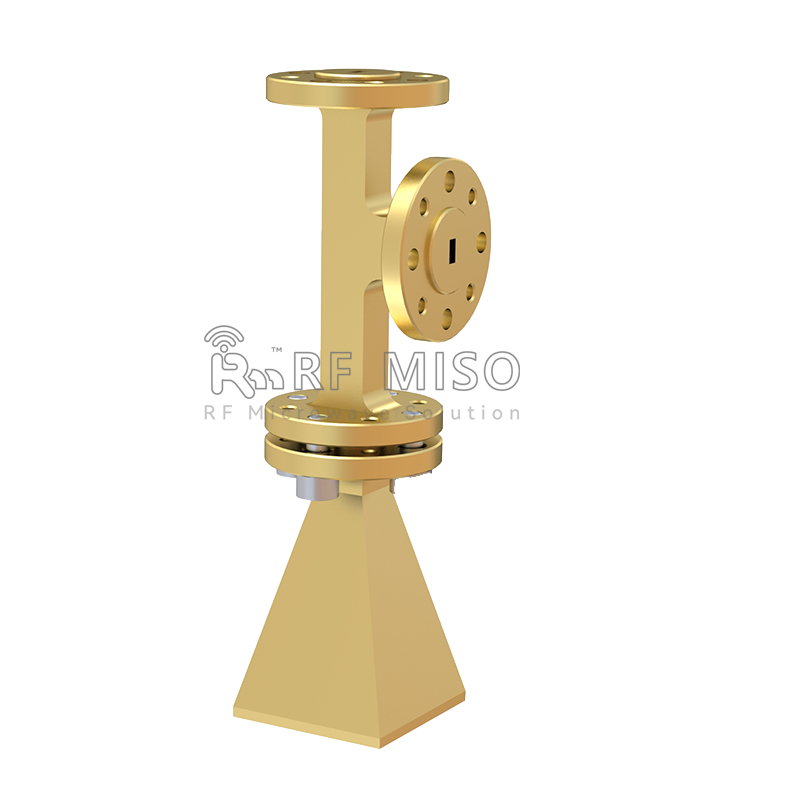
RM-BDPHA9395-22A
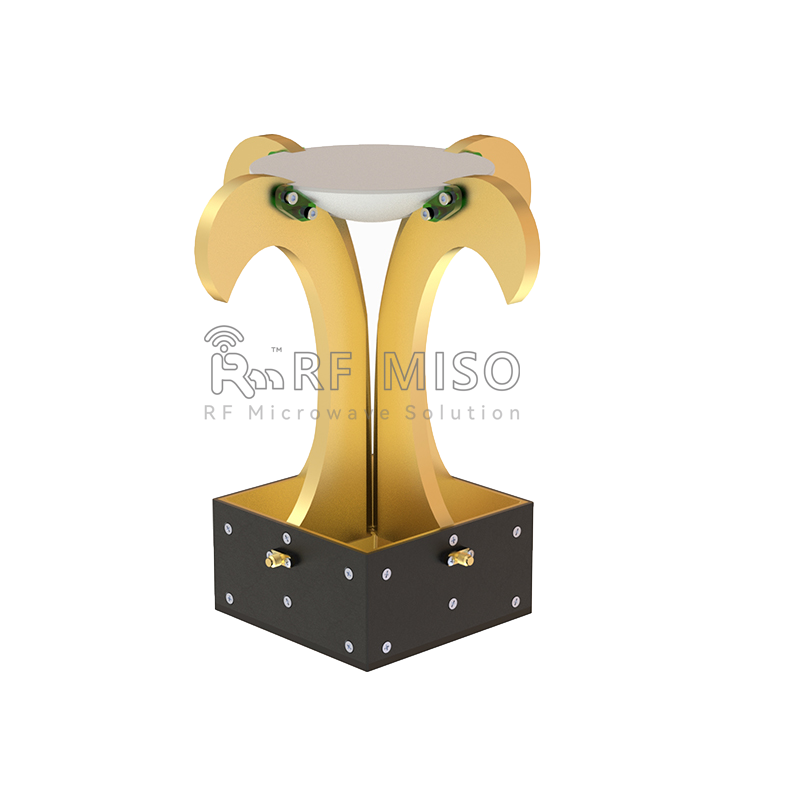
RM-BDPHA0818-12
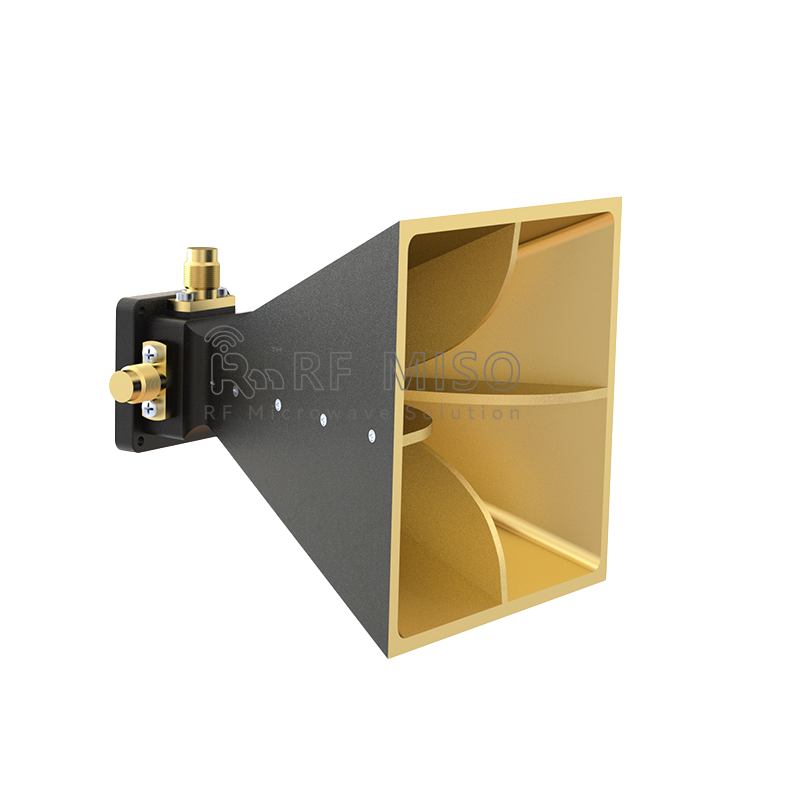
RM-BDPHA1854-15
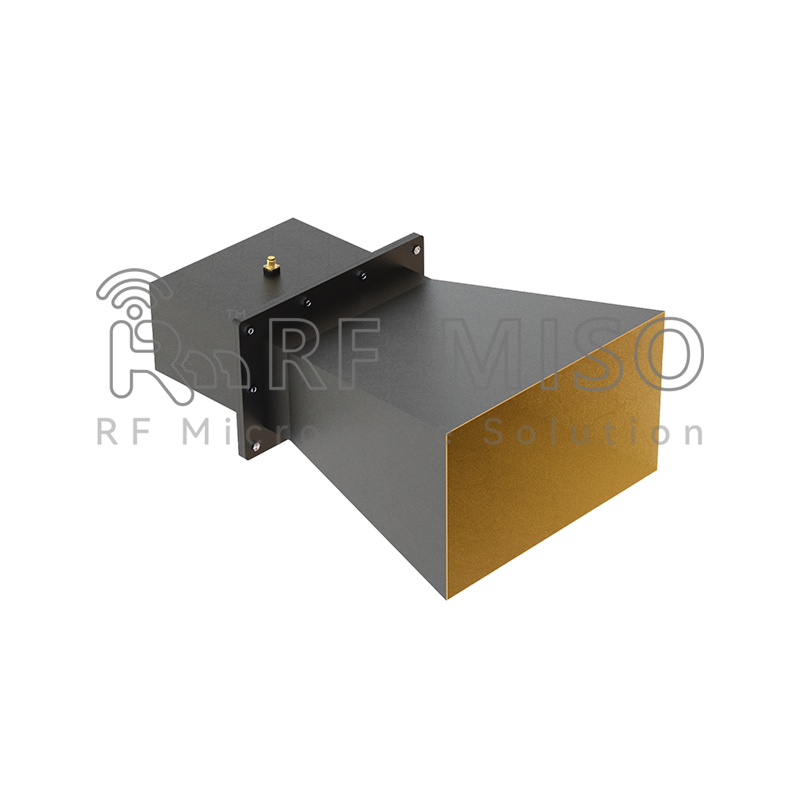
RM-BDHA071-9
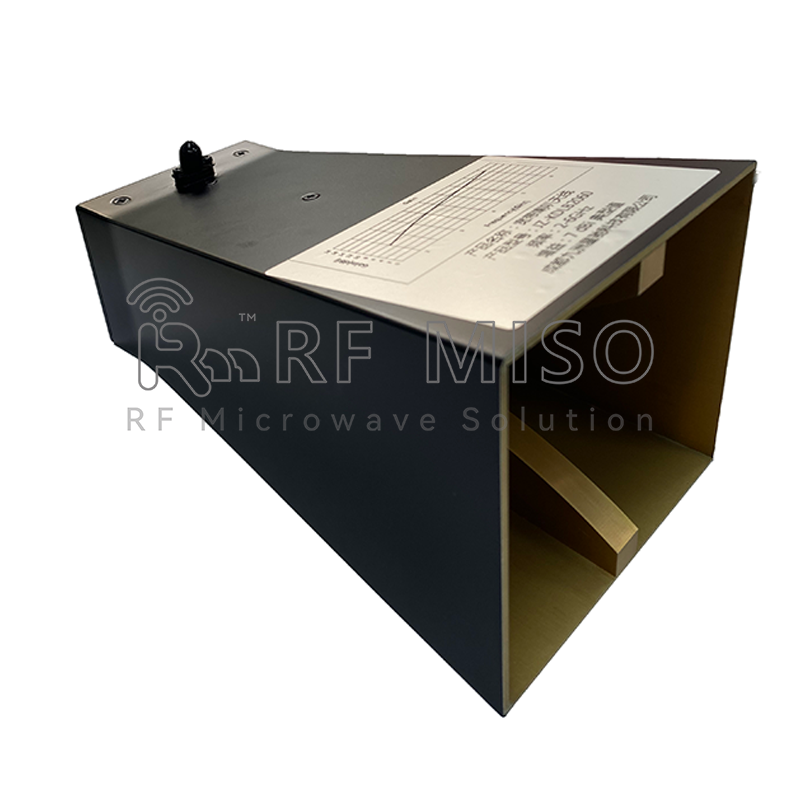
RM-BDHA26-13
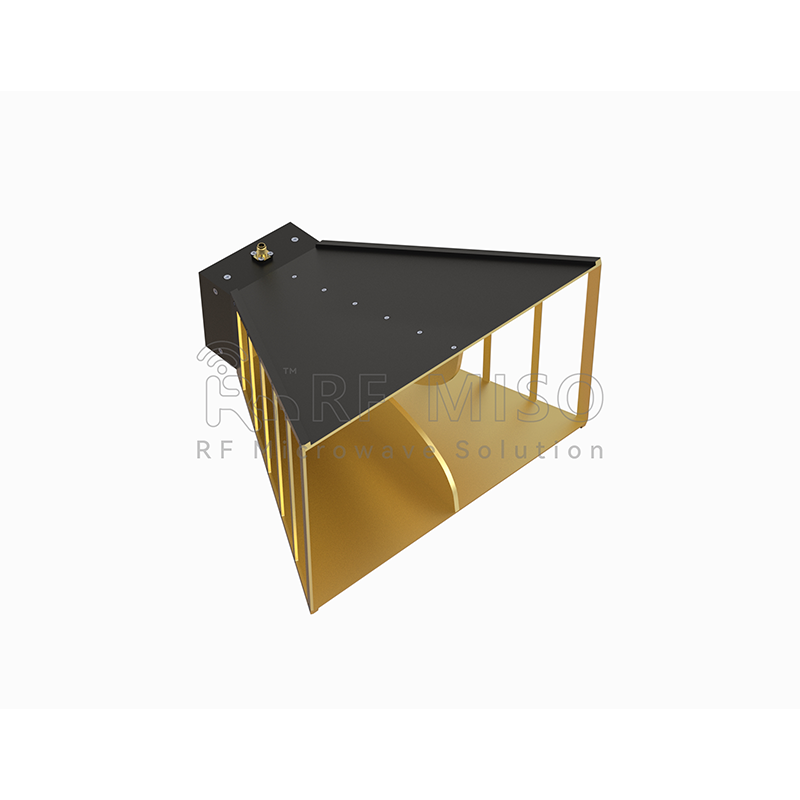
RM-BDHA066-11