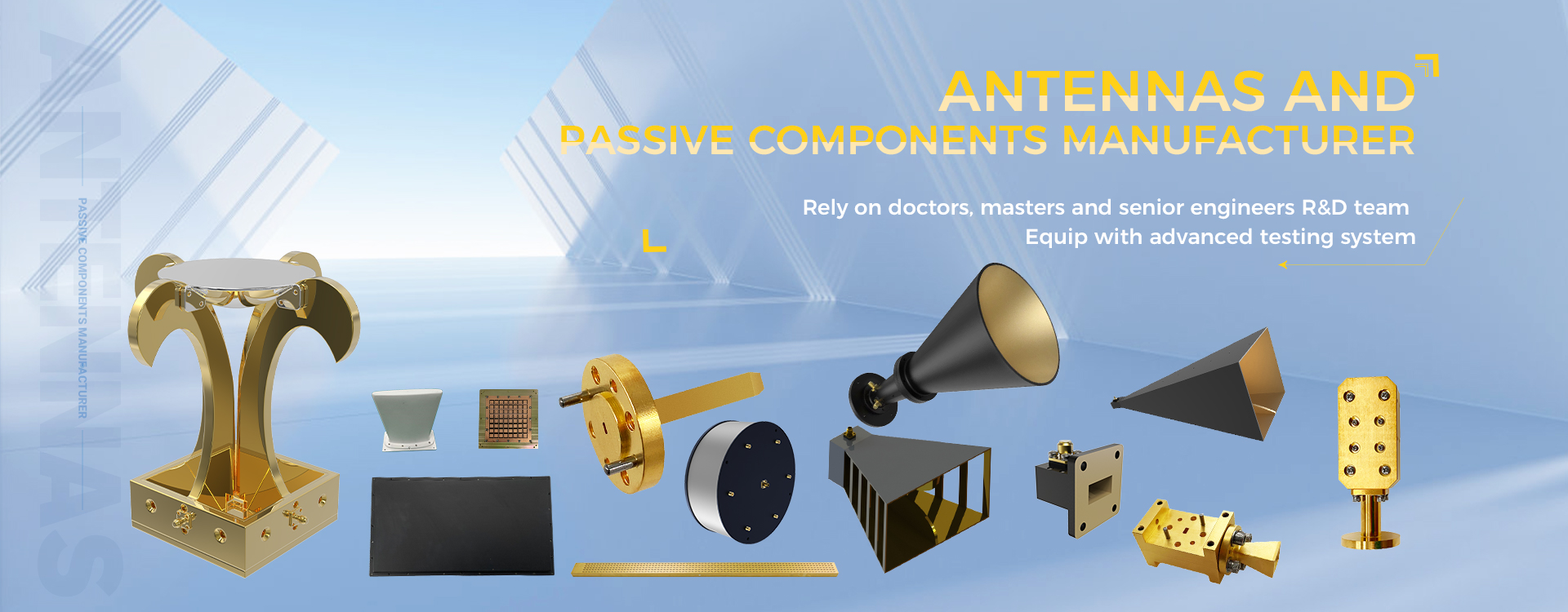
The history of corner reflectors dates back to the early 20th century. The following is a detailed introduction to the history of trihedral corner reflectors:
Early research:
The earliest research on trihedral corner reflectors can be traced back to the optical field at the end of the 19th century. At that time, scientists began to study and experiment with reflectors of different shapes and structures to understand their effects on the reflection and refraction of light. One such structure is a trihedral corner reflector consisting of three plane mirrors, also known as a trihedral corner reflector.
Radar applications:
From the late 1940s to the early 1950s, with the development of radar technology, trihedral corner reflectors began to be used in radar systems. Due to their directional and highly reflective properties, trihedral reflectors are used as tools for target identification and localization. In radar systems, it can enhance the echo signal of the target, making the target easier to detect and measure.
Aviation sector:
In the aviation field, trihedral corner reflectors are widely used in aircraft and navigation beacon systems. They can be used as navigation signs and markers to help pilots and flight controllers determine target location and direction. By installing trihedral reflectors at appropriate locations, clear reflected signals can be provided to aid navigation and positioning.
Communication applications:
In addition to radar and aviation fields, trihedral corner reflectors are also widely used in communication systems. In wireless communications, trihedral corner reflectors can be used to enhance signal coverage and transmission, and improve signal quality and stability. They are commonly used in applications such as radio surveying, directional antennas, and satellite communications ground stations.
Further development:
With the advancement of electronic technology and the development of engineering practices, the design and manufacturing of trihedral corner reflectors have been continuously improved. Modern corner reflectors typically use high-precision manufacturing processes and materials to ensure high reflectivity and directivity. They are widely used and become important tools in radar and communication systems.
Working principle of trihedral corner reflector
The working principle of trihedral corner reflectors is based on the concept of retroreflection. When an electromagnetic wave (such as a radar or radio wave) comes into contact with a reflector, it is redirected back to the source with minimal scattering. This is achieved through a geometric arrangement of three planes, ensuring that incident waves are effectively reflected in opposite directions.
The efficiency of a trihedral corner reflector lies in its ability to maintain a consistent phase relationship with the incident wave. This means that the reflected signal retains its original phase, allowing precise and reliable detection by the radar system. Additionally, the reflector can be designed to have high gain, meaning it can produce a stronger reflected signal compared to other types of radar targets.
Related Products
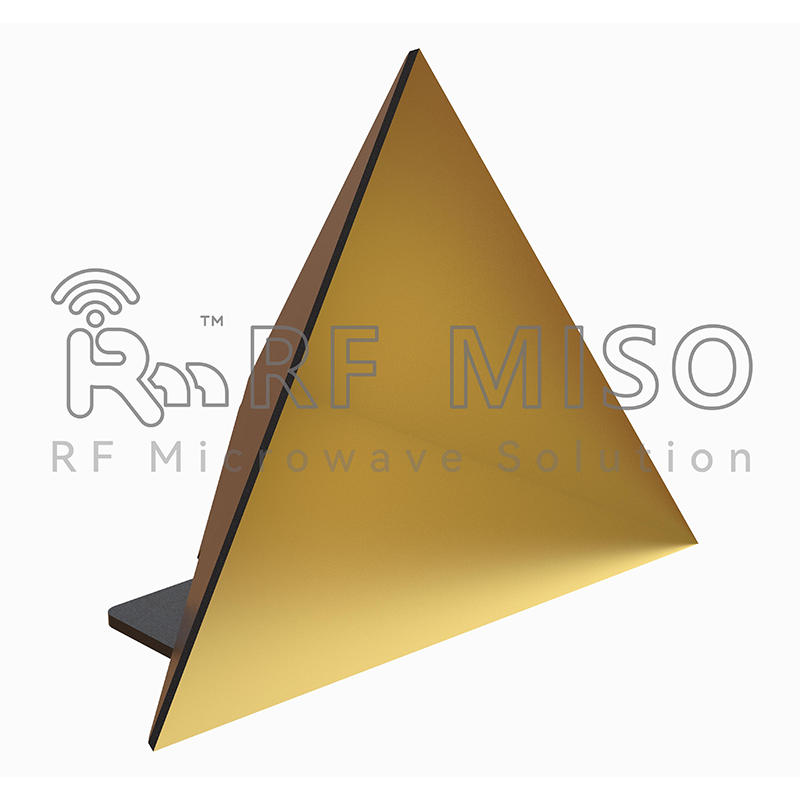
RM-TCR406.4
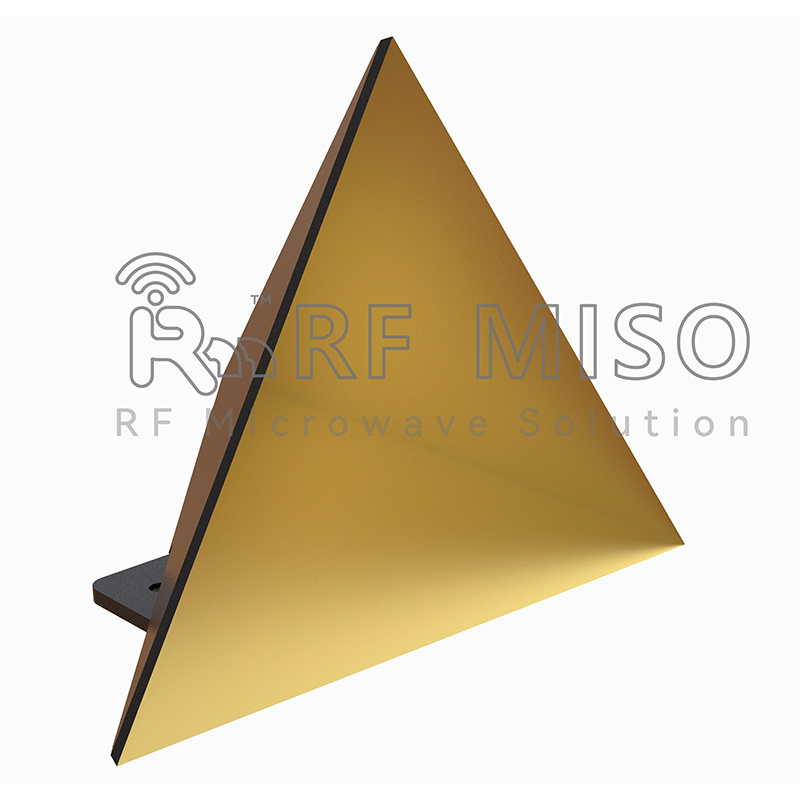
RM-TCR342.9
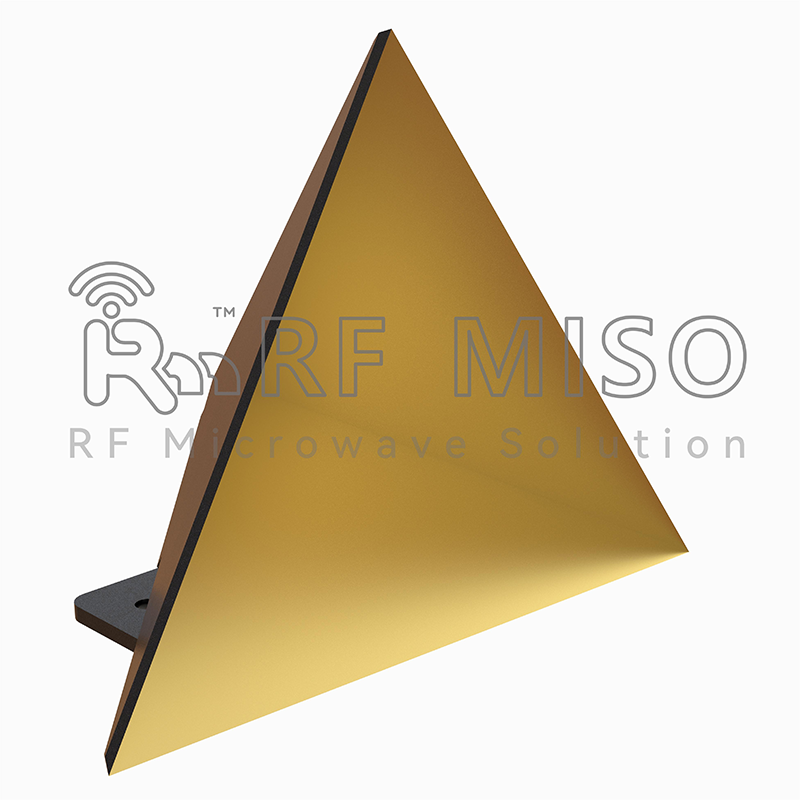
RM-TCR330
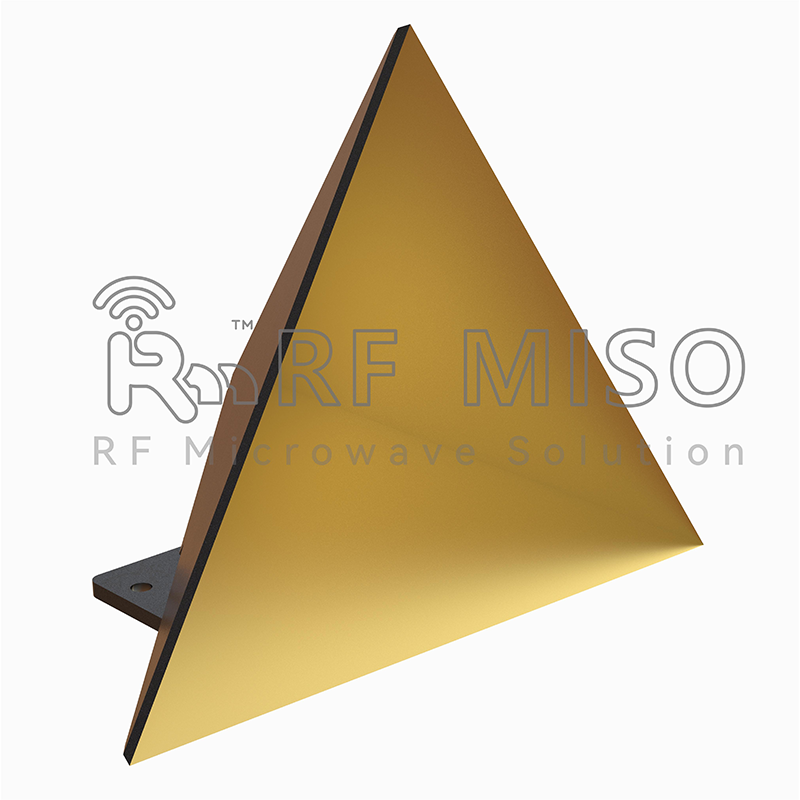
RM-TCR254
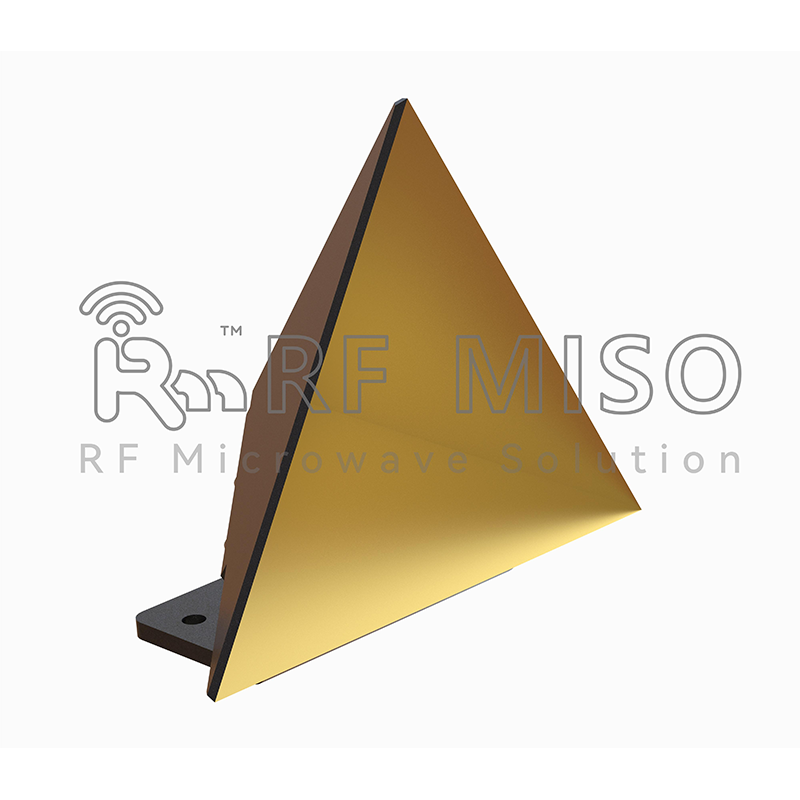
RM-TCR152.4
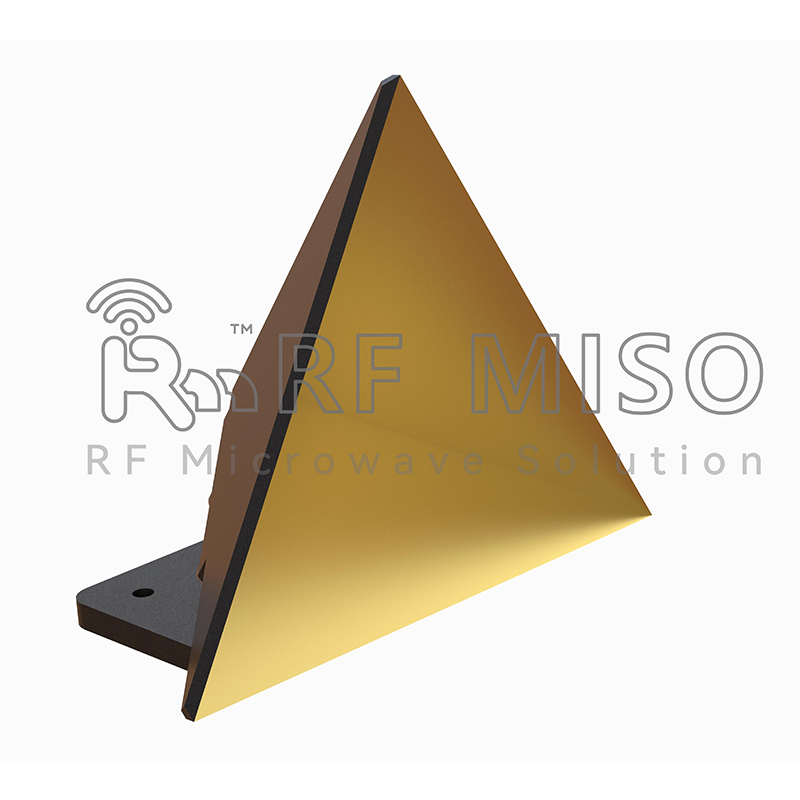
RM-TCR109.2