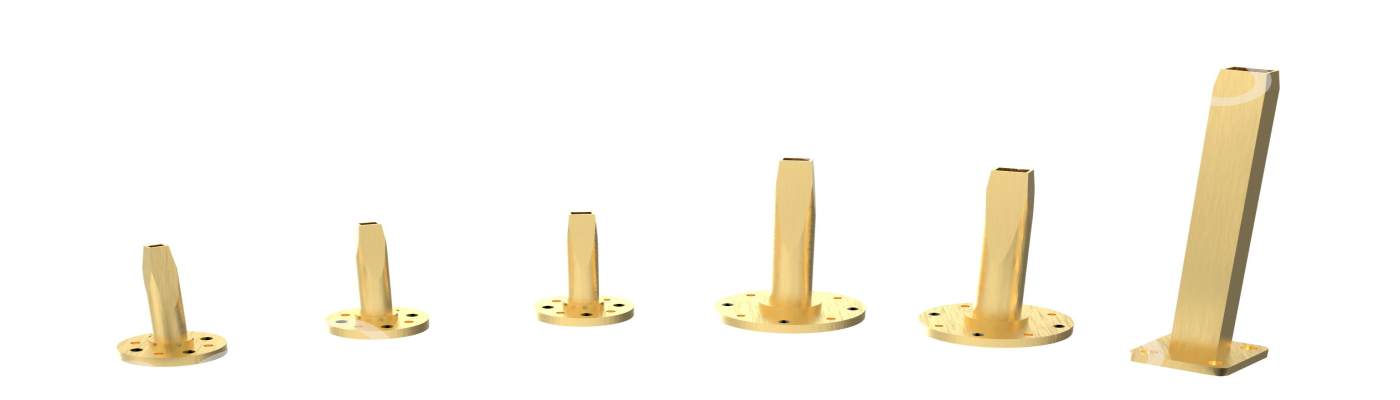
Understand the functions and usage scenarios of waveguide probes
Function
Receiving signals: The waveguide probe can receive electromagnetic wave signals and convert them into electrical signals. It can receive wide-band signals and transmit and amplify signals within a certain range.
Emitting signals: Waveguide probes can generate electromagnetic wave signals for testing and evaluating the performance of other devices. It can transmit wide-band signals and has high output power.
Test the strength of electromagnetic fields: Waveguide probes can measure the strength of electromagnetic fields and are used to evaluate the levels and hazards of electromagnetic radiation. It can help detect and locate the source of electromagnetic wave radiation and provide accurate measurement results.
Analyze signal characteristics: Waveguide probes can analyze the frequency, amplitude, phase and other characteristics of electromagnetic waves to help users understand and optimize the transmission and processing of electromagnetic waves. It can do this by connecting to other test instruments, such as a spectrum analyzer or oscilloscope.
scenes to be used
Electromagnetic compatibility testing: During electronic product development and manufacturing, waveguide probes can be used to test and evaluate the anti-interference performance of equipment. It can help identify electromagnetic compatibility problems and provide solutions.
Wireless communication testing: In the field of wireless communication, waveguide probes can be used to test and evaluate the performance and coverage of wireless devices (such as mobile phones, wireless routers, etc.). It can help determine signal strength and quality and identify sources of interference.
Scientific research: In scientific research, waveguide probes can be used to measure and analyze the characteristics of various electromagnetic waves. For example, in astronomy, waveguide probes can be used to receive and study the cosmic microwave background radiation.
Medical Diagnostics: In the medical field, waveguide probes can be used to detect and diagnose abnormalities within the body. For example, in ultrasound medicine, waveguide probes can be used to generate and receive ultrasound waves to achieve tissue imaging and diagnosis.
Related Products
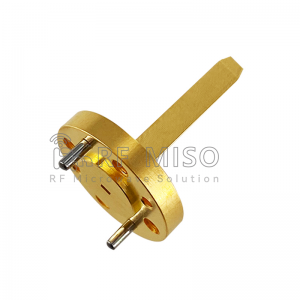
RM-WPA6-8,110-170 GHz
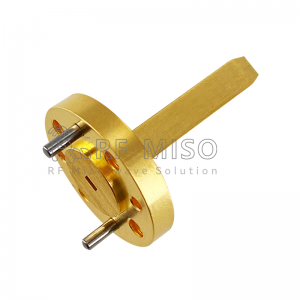
RM-WPA8-8,90-140 GHz
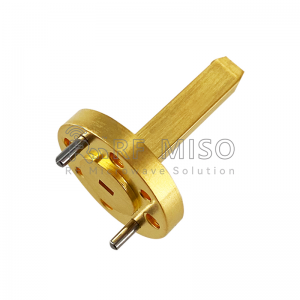
RM-WPA10-8,75-110 GHz
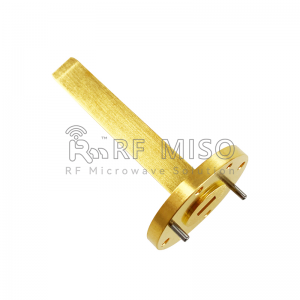
RM-WPA22-8, 33-55 GHz
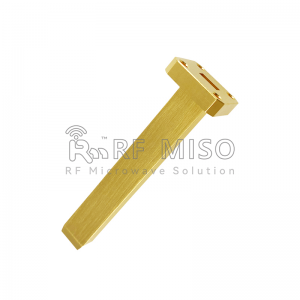
RM-WPA28-8,26.5-40GHz
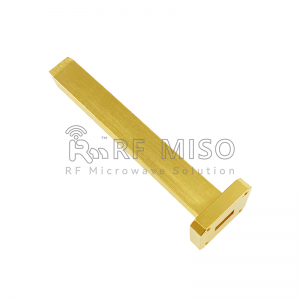
RM-WPA34-8, 22-33GHz