
Standard Gain Horn Antenna is a common radio frequency antenna with specific gain and directivity. Its design is based on the parabolic reflector principle and consists of a parabolic reflector and a feed located at the focus.
Parabolic reflectors are usually made of metallic materials and have a parabolic shape. Its function is to reflect the RF signal from the feed and focus it to a point. This design can improve the radiation efficiency and directivity of the signal, allowing the antenna to provide stronger signal radiation and reception capabilities in a specific direction.
The feed is usually located at the focus of the parabolic reflector. It can be a small antenna element such as a dipole antenna or a circularly polarized antenna. The location and characteristics of the feed have a significant impact on the performance of the antenna and require precise design and tuning.
Standard gain horn antennas typically have high gain and narrow beamwidth. Gain is the increase in radiated power of an antenna in a specific direction relative to an ideal point source antenna. Narrow beamwidth represents the concentration and directivity of the antenna's main radiation direction. These characteristics make standard gain horn antennas very useful in applications requiring long-distance transmission, long-distance communications, or where concentrated signal radiation is required.
Standard gain horn antennas are widely used in communications, radar, satellite communications, wireless LAN and radio measurement and other fields. They are often used to enhance signal transmission and reception capabilities and improve system performance and reliability. Depending on the specific application needs, the design and specifications of the standard gain horn antenna can be adjusted to accommodate different frequency ranges, gain requirements and directivity requirements.
Related Products
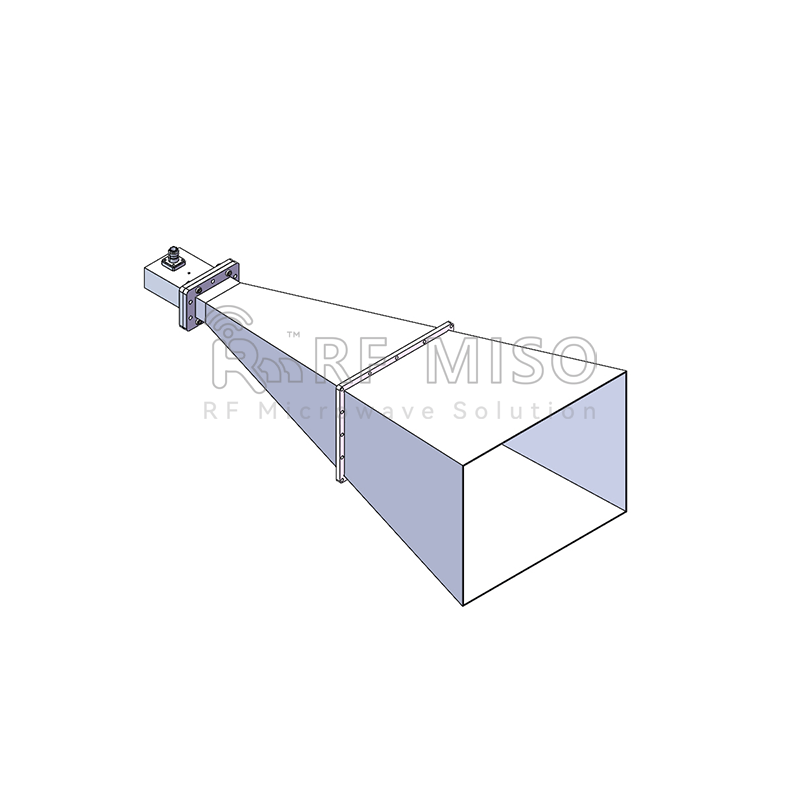
RM-SGHA284-20,2.60-3.95GHz
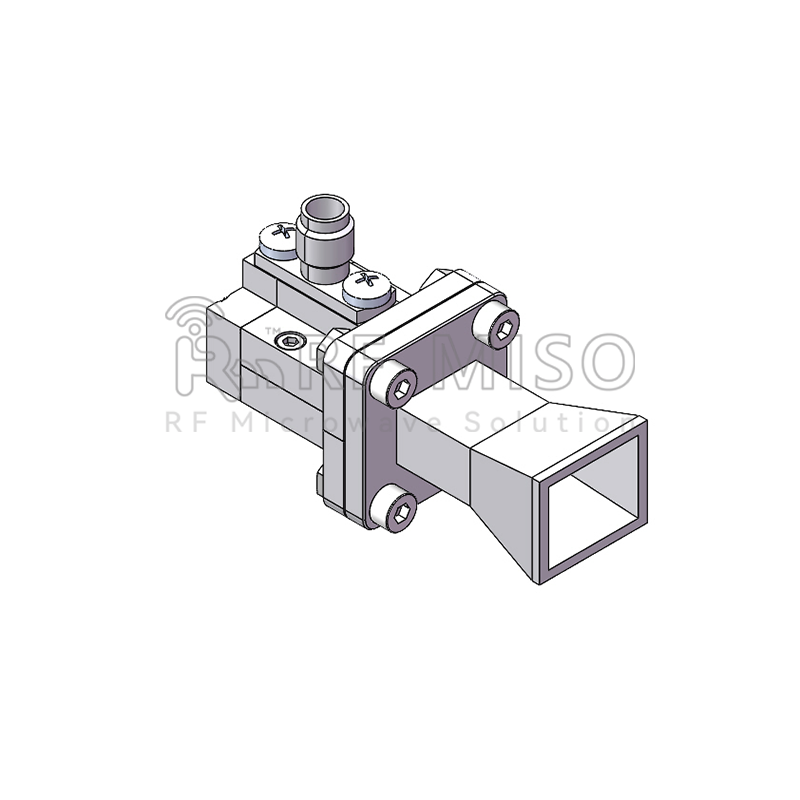
RM-SGHA34-10,21.7-33GHz
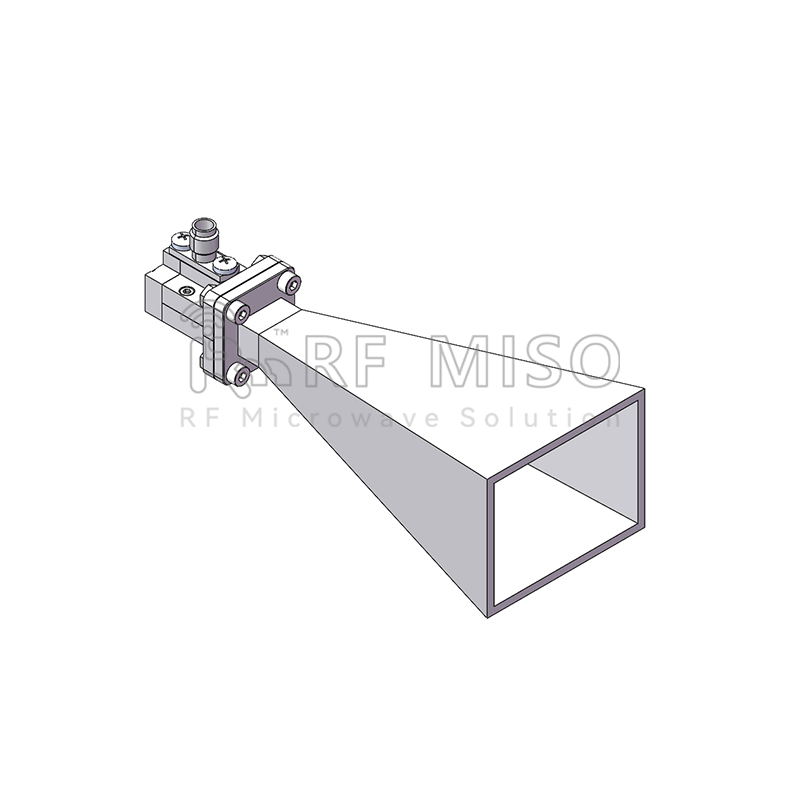
RM-SGHA34-20,21.7-33GHz
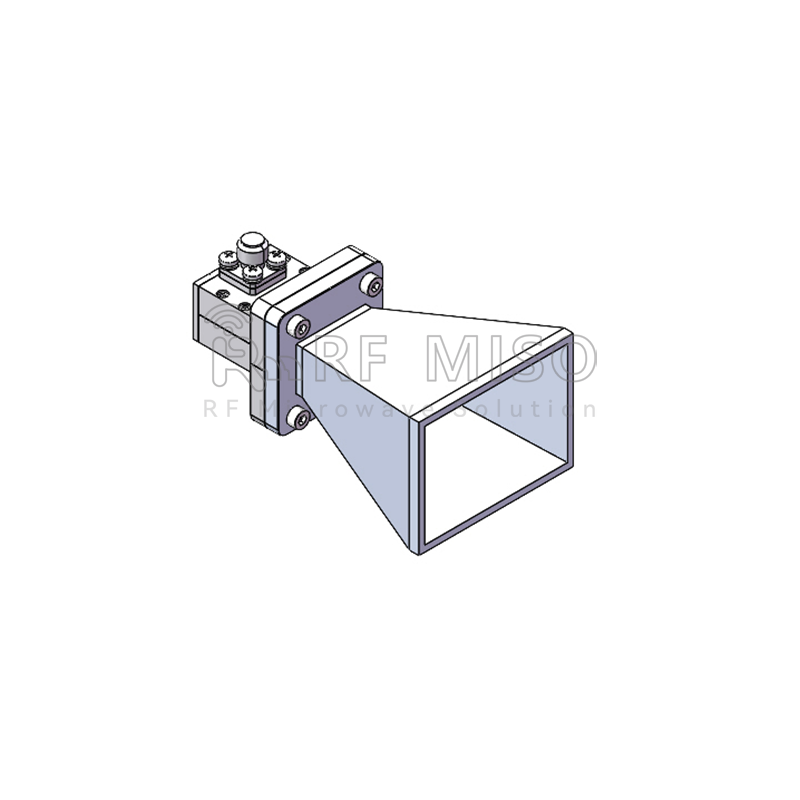
RM-SGHA75-15,9.84-15GHz
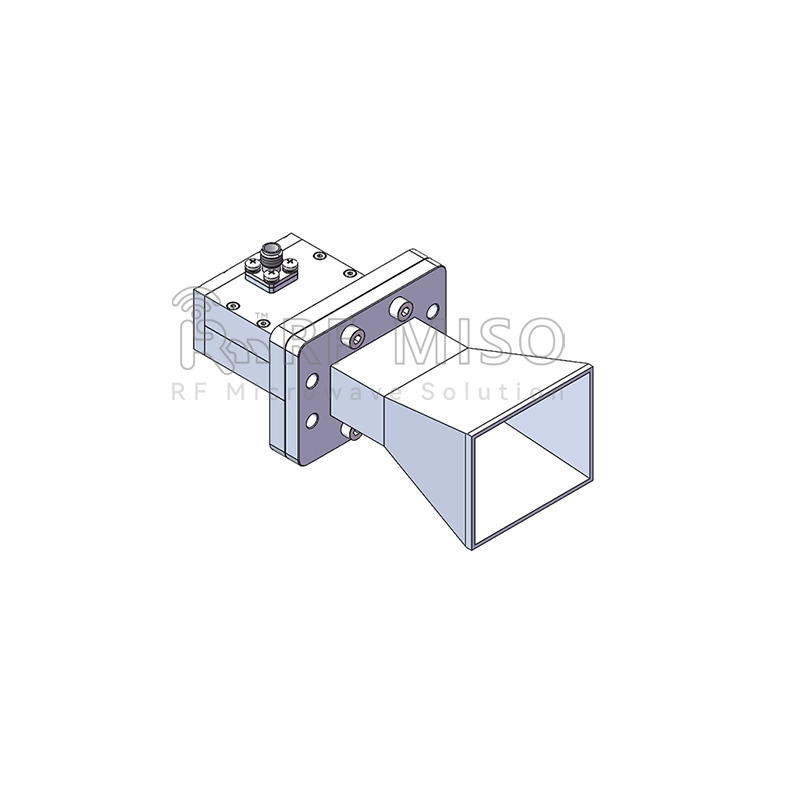
RM-SGHA137-10,5.85-8.20GHz
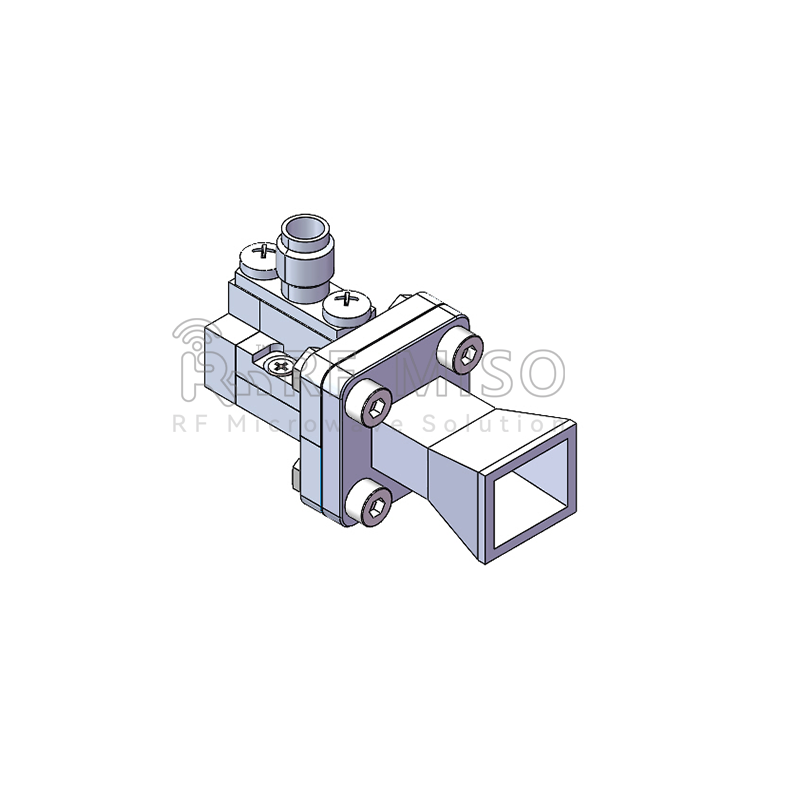
RM-SGHA28-10,26.5-40GHz