
Biconical antenna is a common antenna structure widely used in wireless communication systems. Its name comes from the fact that its shape resembles two interconnected cones.
The main features of the biconical antenna are its ability to achieve broadband performance and high gain. It usually consists of two symmetrical cone-shaped radiators, each connected to the feed point of the antenna. This structure enables the antenna to operate in multiple frequency bands and has relatively uniform radiation characteristics throughout the frequency range.
The design principles of a biconical antenna are based on its geometry and feed pattern. When current is input through the antenna's feed point, it creates a current distribution between the two cone-shaped radiators. This distribution causes electromagnetic waves to propagate through the antenna structure and eventually radiate out. Due to the geometry and current distribution characteristics of the biconical antenna, it is able to achieve wide-band radiation.
Advantages of biconical antennas include:
1. Broadband performance: Biconical antennas can operate within a wide frequency range and are suitable for a variety of communication systems and frequency bands.
2. High gain: Due to the structure and radiation characteristics of the biconical antenna, it can provide higher gain and enhance the effect of signal transmission and reception.
3. Uniform radiation characteristics: Biconical antennas have relatively uniform radiation characteristics across the entire frequency range and can provide stable signal coverage.
4. Simple structure: The structure of the biconical antenna is relatively simple, easy to manufacture and install, and has low cost.
Biconical antennas are widely used in wireless communication systems, including mobile communications, satellite communications, radar systems, etc. It can meet different frequency and bandwidth requirements and provide stable signal coverage and high-quality communication connections.
Related Products
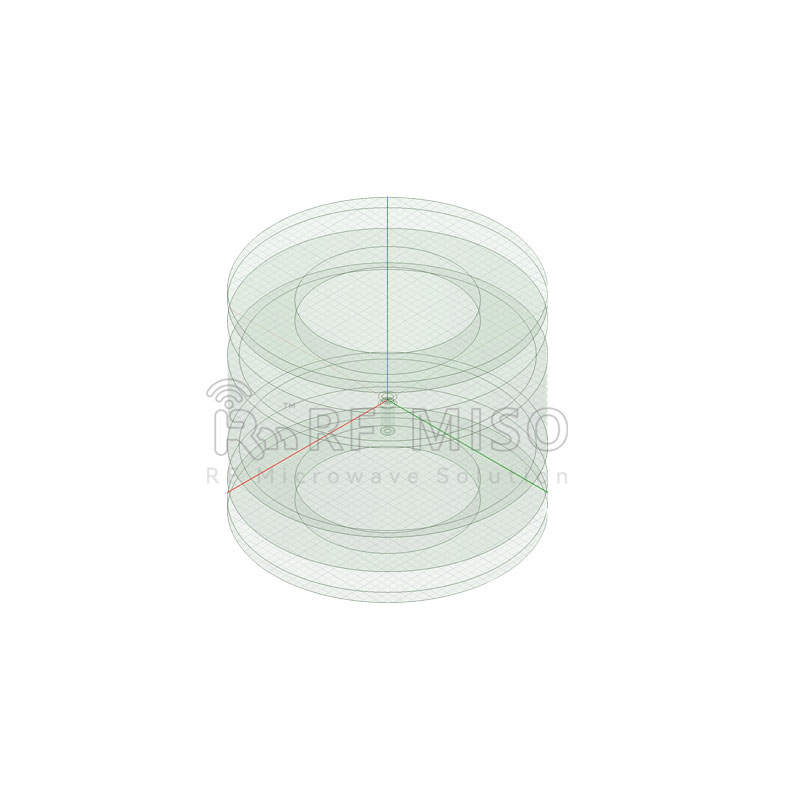
RM-BCA812-2,8-12GHz
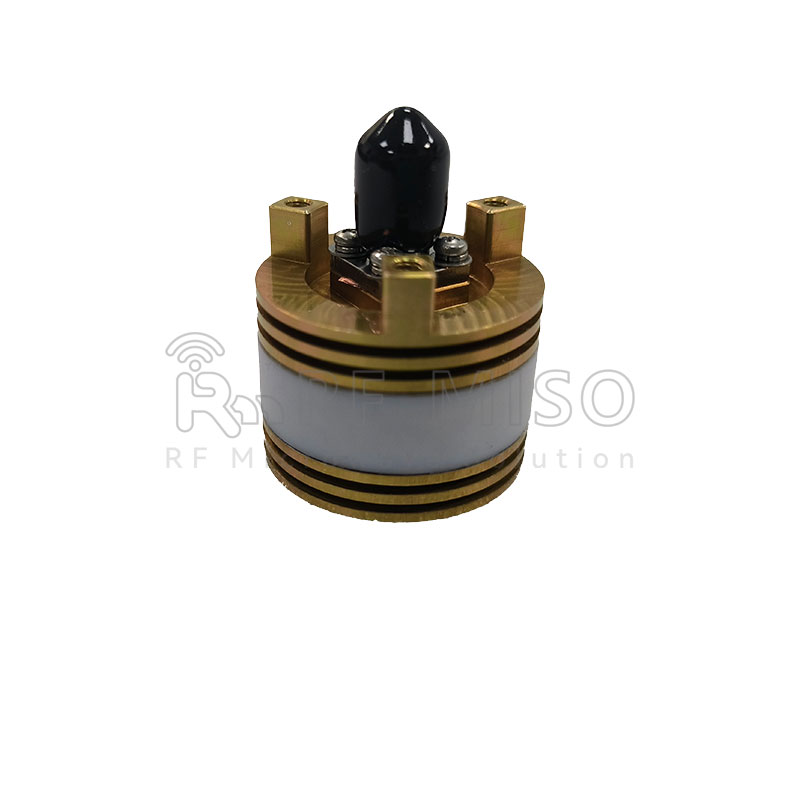
RM-BCA2428-4,24-28GHz
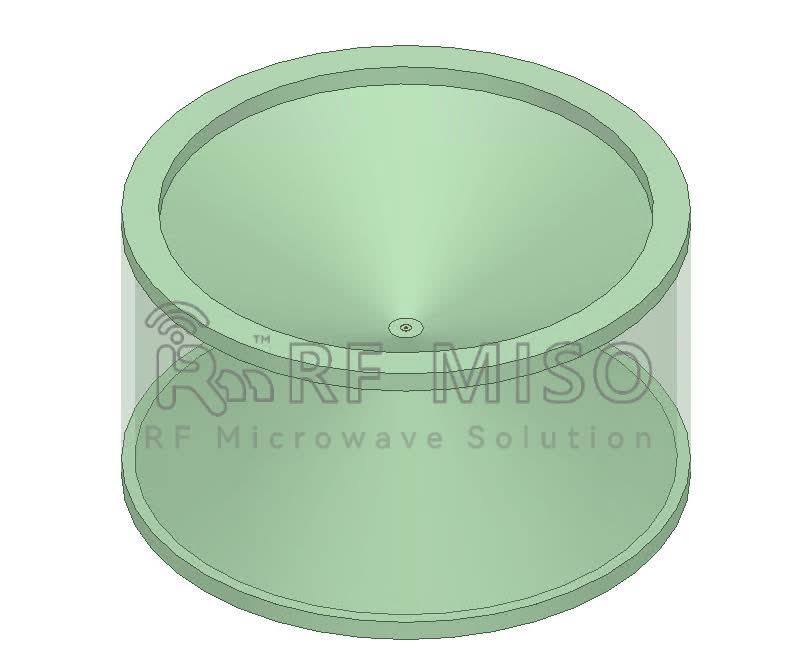
RM-BCA082-4,0.8-2GHz
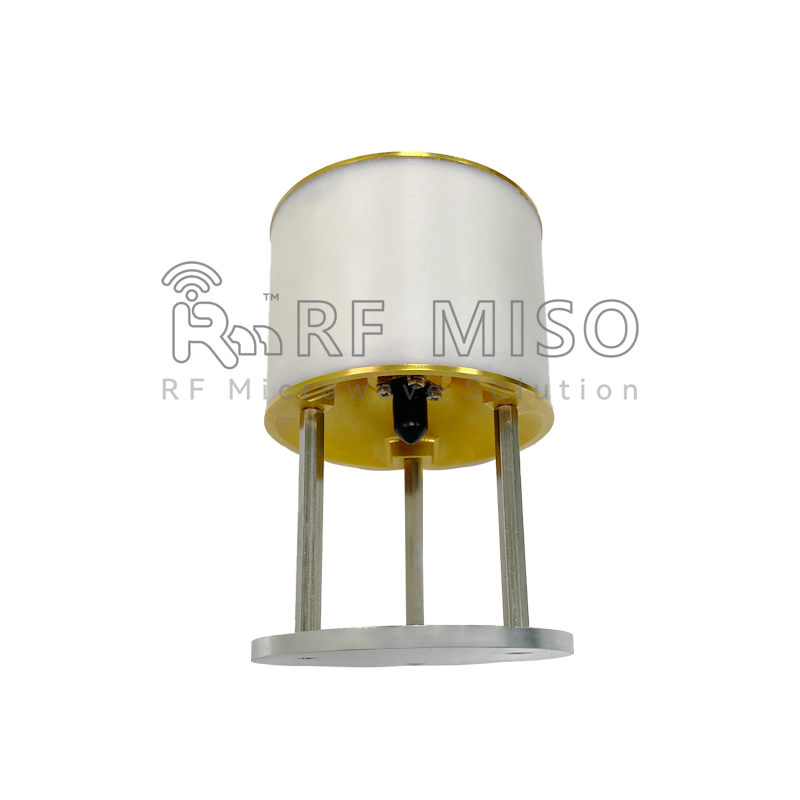
RM-BCA218-4,2-18GHz